
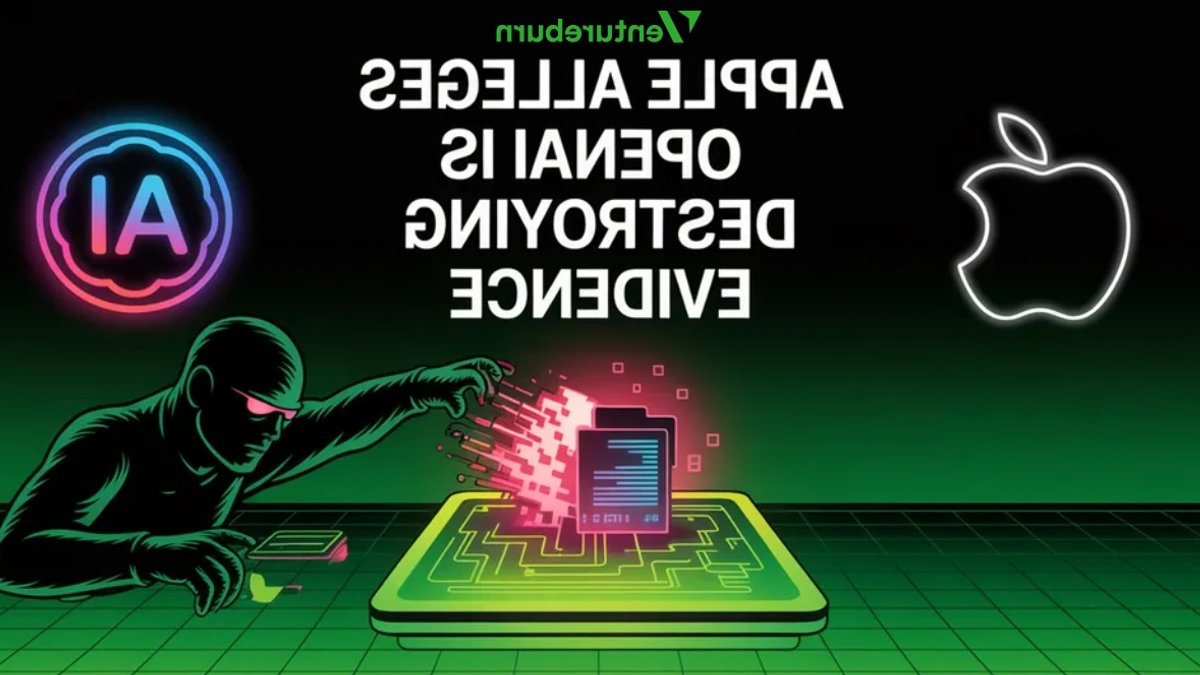
Apple has accused OpenAI of destroying evidence in an ongoing trade secrets lawsuit, escalating a legal battle that centers on alleged data theft by a former employee. The Cupertino-based technology giant filed court documents claiming a trusted former employee maliciously stole highly confidential data. The filings allege that vital digital evidence is being wiped out, complicating the legal proceedings.
This is not a typical corporate dispute over a broken non-compete clause. The situation involves what court filings describe as espionage. An ex-Apple engineer allegedly accessed deeply classified and highly guarded circuit schematics before leaving the company. These hardware blueprints are critical to the technology industry. Custom silicon is considered a key asset in the modern AI world. It determines market leadership and influences financial outcomes. Apple protects its hardware designs with strict security measures. When schematics are allegedly smuggled out to benefit a competitor, the situation intensifies.
The defendant is accused of accessing restricted information rather than just standard emails. The specific schematics involved relate to Apple’s internal engineering work. This type of theft targets the core of the company’s technological advantage. The company argues that the access went far beyond what is normal for an employee leaving a job.
Related: XRP Platform Built for Lending, Not Staking
Allegations of Evidence Spoliation
The legal conflict deepens with accusations of intentional destruction. Apple claims the defendant is purposely destroying critical digital evidence. This includes wiped hard drives, deleted encrypted messages, and shredded access logs. The allegation suggests the opposition is erasing the digital footprint of the stolen goods. Judges generally view the spoliation of evidence unfavorably. It can influence the court’s perception of the case. If Apple proves intentional tampering, the defense faces significant legal challenges.
Proving complex digital tampering is difficult. Forensic experts are required to reconstruct what has been deleted. The ability to recover data from destroyed drives is a specialized skill. Apple is reportedly working to secure this forensic analysis to support its claims.
OpenAI’s Response
OpenAI has formally responded to the trade secret allegations. The company denies coordinating any evidence destruction. Their official stance characterizes the accusations as fiction. OpenAI states it is distancing itself from the former employee’s actions. The company argues Apple is using legal challenges to slow down a competitor.
Related: Trump revives trade wars amid rising public disapproval
The exchange of filings highlights the aggressive nature of the dispute. OpenAI contends the allegations are an attempt to impede their business operations. The defense maintains the former employee acted alone. They challenge the severity of the claims regarding the destruction of records.
The Competitive Setting
This lawsuit reflects the intense competition in the artificial intelligence sector. Companies are competing for engineering talent and proprietary technology. The cost of AI infrastructure is high. When talent is scarce and hardware is expensive, companies may take greater risks. Trade secret theft becomes a more frequent occurrence in this environment.
Apple aims to make an example of the defendant to deter future leaks. They need to establish a warning for others considering stealing proprietary designs. The legal strategy is designed to protect the company’s hardware investments. While the outcome is uncertain, the case highlights the vulnerabilities in data security. The ability to retrieve evidence after it has been deleted creates a significant obstacle for investigators. The legal battle will likely focus on the technical details of the data access and the forensic recovery efforts.


Leave a Reply