
U.S. Pulls Further Ahead as Korean Conglomerates Expand Overseas Footprint
Shift Toward the United States
The center of gravity for overseas business operations among major Korean conglomerates is moving rapidly toward the United States. A report released on Nov. 19 by the Korea CXO Research Institute shows that seven out of every ten overseas subsidiaries operated by 102 major Korean business groups are located in APEC member economies.
The study, based on disclosure data from 102 major business groups designated by the Fair Trade Commission, found that Korean business groups operated 6,781 overseas subsidiaries across 132 countries and regions. This represents an increase of 419, or 6.6%, from the previous year. Of the total, 4,719, accounting for 69.6%, were located in APEC member economies excluding South Korea. Meanwhile, 3,583 domestic affiliates existed for these groups, meaning their overseas subsidiaries outnumbered domestic affiliates by 3,198.
U.S. Dominance Grows
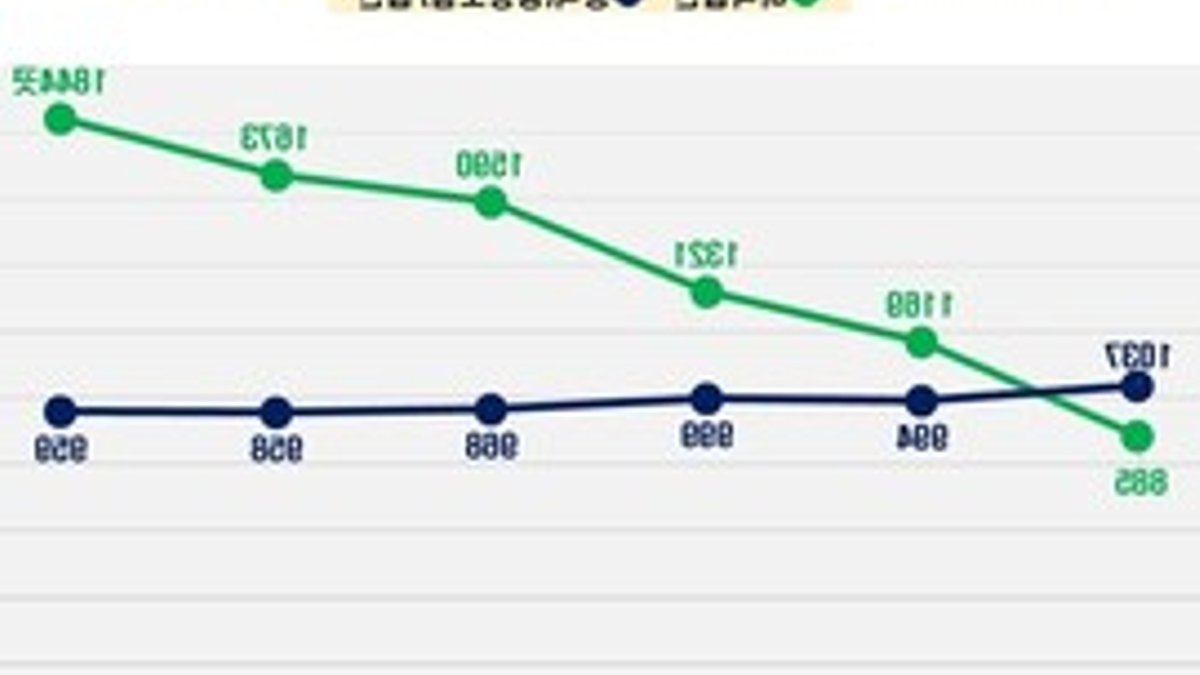
By location, the United States had the largest number of subsidiaries, at 1,844, up 171 from 1,673 the previous year. The U.S. share of total overseas subsidiaries rose by 0.9 percentage points, from 26.3% last year to 27.2% this year. In contrast, the number of subsidiaries on the Chinese mainland edged down by one, from 808 to 807. The mainland China share has declined every year since reaching 15.9% in 2022, falling to 11.9% this year. Hong Kong-based subsidiaries increased by two, from 150 to 152, bringing the combined total for mainland China and Hong Kong to 959, just one more than the previous year.
The gap between the United States and China has continued to widen. In 2021, the combined number of subsidiaries in mainland China and Hong Kong exceeded the U.S. total. The United States overtook them in 2022, and this year U.S.-based subsidiaries outnumbered the combined mainland China and Hong Kong total by 885. The balance between Asia’s financial hubs is also shifting. The number of Singapore-based subsidiaries rose for the fifth consecutive year to 253, while the Hong Kong total increased slightly to 152, leaving a gap of 101. In 2021, Singapore and Hong Kong had comparable numbers, at 167 and 163, respectively.
Regional Expansion
Beyond the United States, mainland China and Hong Kong, another 1,916 subsidiaries (28.3% of the total) were located in other APEC member economies. Vietnam ranked third, with 332 subsidiaries, followed by Japan (261), Singapore (253), Indonesia (233), France (208) and India (191). Japan added 37 subsidiaries from the previous year, while Indonesia gained 30, reflecting the expansion of overseas business operations in major Asian markets.
By business group, Hanwha ranked first for the fifth consecutive year, with 894 overseas subsidiaries. The expansion of its solar energy business and the resulting establishment of overseas operations are seen as contributing factors. Samsung increased its overseas subsidiaries from 574 last year to 673 this year, adding 99 and reclaiming second place for the first time since 2022.
This was the first time in five years that Samsung’s overseas subsidiary count had exceeded 600. SK, which ranked second last year, fell to third place as its subsidiary count declined by 63, from 618 to 555. The decrease is attributed to the streamlining of affiliates as part of the group’s broader business restructuring. Hyundai Motor Group maintained fourth place with 455 subsidiaries, up five from the previous year.
Strategic Focus
Oh Il-seon, head of Korea CXO Research Institute, noted that “close to 30% of overseas affiliates of major Korean business groups are concentrated in APEC member economies other than the United States and China.” He added that “the Asia-Pacific region, including Vietnam, Japan and Singapore, forms a key business base for Korean companies, making it important to maintain stable trade relations with these economies.” As the United States continues to attract the largest share of these investments, the data suggests a long-term strategic pivot that prioritizes American markets over traditional Asian hubs.


Leave a Reply