
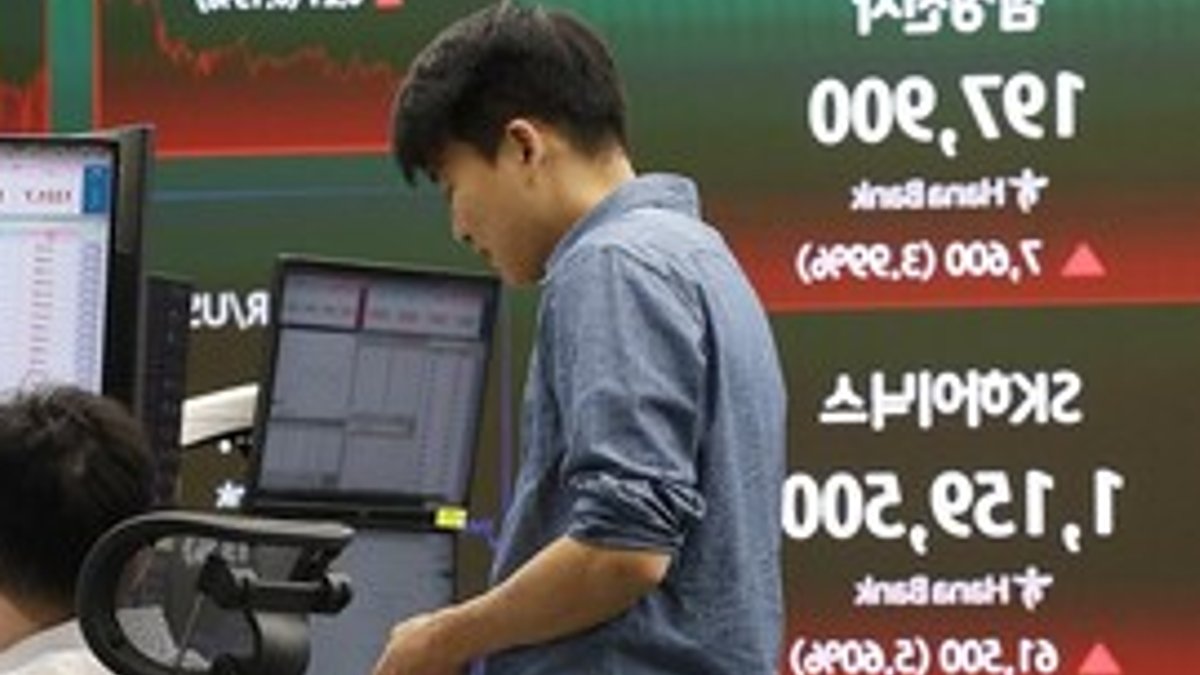
Shares of Samsung Electronics and SK hynix have dropped an average of 55% from their peaks. But KB Securities calls this a case of “excessive fear.”
The steep decline, according to analysts, stems from external factors like policy uncertainties and market supply-demand trends. It’s not a reflection of weakened growth prospects in the AI sector.
Market Jitters vs. Industry Fundamentals
Kim Dong-won, head of research at KB Securities, attributes the selloff to concerns over Nvidia’s leadership changes and potential AI regulation by the U.S. Democratic Party. These factors have sparked worries about a slowdown in investment after 2028.
Global hedge funds have reduced their exposure to AI-related semiconductor stocks, and short-selling volumes are nearing their highest since 2016. This has amplified selling pressure and valuation adjustments.
Supply Shortages to Bolster Pricing Power
Despite short-term share price volatility, the memory semiconductor industry faces a structural supply shortage. KB Securities forecasts a 56% increase in demand for server DRAM and a 54% rise in enterprise SSDs by 2027.
From 2027 to 2028, memory supply is projected to meet only 60-70% of customer demand. This imbalance is expected to strengthen memory manufacturers’ pricing power, as suppliers struggle to keep up with the growing needs of AI data centers.
The expansion of high-bandwidth memory (HBM) production is limiting the availability of conventional DRAM. At the same time, AI data centers are increasing their memory requirements, further straining supply.
Earnings Outlook Remains Robust
Earnings indicators paint a different picture than share prices. Samsung and SK hynix are expected to generate a combined operating profit of 1,777 trillion won in 2026 and 2027. This surpasses their cumulative profits since their founding.
Samsung is projected to contribute 1,022 trillion won, while SK hynix is expected to add 755 trillion won. The revenue growth of major cloud companies like Google, Amazon Web Services (AWS), and Microsoft suggests a surge in AI computing demand through 2028.
While external policy uncertainties could impact AI investment, limited capacity additions and long-term supply agreements are likely to help memory manufacturers maintain their pricing power.
Kim emphasizes the importance of distinguishing between short-term supply-demand imbalances and the long-term earnings outlook. As actual results demonstrate the companies’ value, the gap between market valuations and underlying earnings power is expected to narrow.


Leave a Reply