
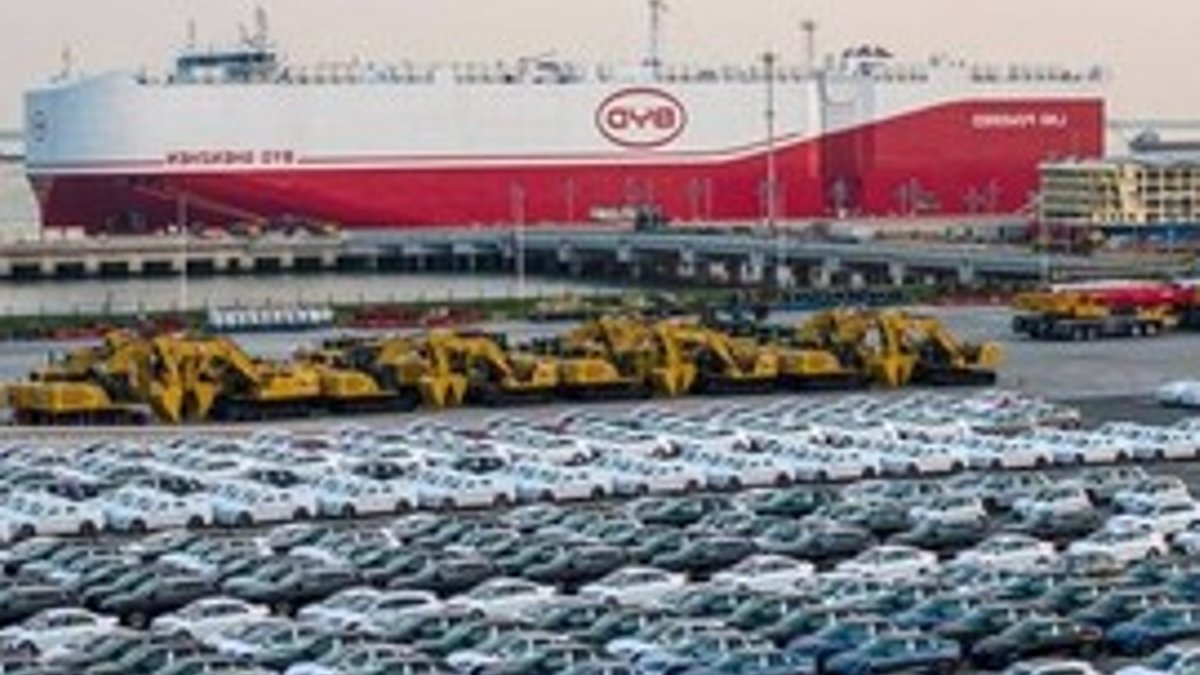
The United States Congress is close to an agreement on a measure to ban the sale of Chinese cars in the U.S. by law, with bipartisan support aiming to place it on the President’s desk within this year.
Lawmakers from states with major automotive production, representing both Republican and Democratic factions, are pushing to finalize the measure before the January inauguration of the next congressional session. Their push stems from growing apprehensions over China’s expanding influence in the global automotive sector and associated risks to national and economic security.
Current Barriers to Chinese Car Imports
While existing trade barriers, including steep tariffs and Commerce Department restrictions on Chinese automotive technology, have already limited Chinese automakers’ access to the U.S. market, the proposed law would formalize these limitations through legislative action. If the bill is enforced, Chinese companies such as BYD and Geely Automobile will be completely unable to set foot in the highly profitable U.S. market.
These Chinese manufacturers have rapidly expanded their presence in Europe and South America, offering affordable yet technologically advanced electric vehicles.
Read Also: Anthropic Surges Over 17% on Nasdaq Debut
Mercedes-Benz Faces Exemption Debate
The last-minute sticking point is Germany’s Mercedes-Benz. Introduced by Senator Bernie Moreno (R-Ohio) and Senator Elissa Slotkin (D-Michigan), the legislation originally barred sales of connected vehicles with data-sharing capabilities from companies holding more than 15% Chinese ownership.
At Mercedes-Benz, the state-owned Chinese automaker Beijing Automotive Group (BAIC) owns roughly 10% of the company, while billionaire Li Shufu, founder of Geely Automobile, holds another 10%, combining to nearly 20%, which surpasses the proposed threshold. The automaker has actively sought modifications to the bill to avoid full exclusion.
Senator Moreno explained the direction of the bill amendment under review to officials of completed car manufacturers the previous day. It is reported that the amendment includes a provision allowing Mercedes-Benz to be excluded from the complete ban. Measures to relax the regulations in cases where stakes are held for simple investment purposes without voting rights, as well as how to design and verify this, are also being discussed.
Mercedes-Benz stated in a statement, “We are continuing to meet with all stakeholders who share our interests to ensure this important legislation is enacted within this congressional session.” While the completed car industry generally expressed support for the direction explained by Senator Moreno, Mercedes-Benz reportedly showed a reserved stance, leading to ongoing negotiations.


Leave a Reply