
AI is reshaping hiring practices for small firms that drive U.S. growth, a trend noted in recent presidential remarks and labor data released this month.
President’s remarks and labor market snapshot
On May 10, the president highlighted small businesses as a cornerstone of the economy during National Small Business Day, noting that operators of these firms account for roughly 40 % of overall economic activity.
The statement coincided with the Labor Department’s April jobs report, which showed the nation added 115,000 jobs while the unemployment rate held steady at 4.3 %. The figures indicated a modest expansion, suggesting that the hiring outlook remains balanced for the near term.
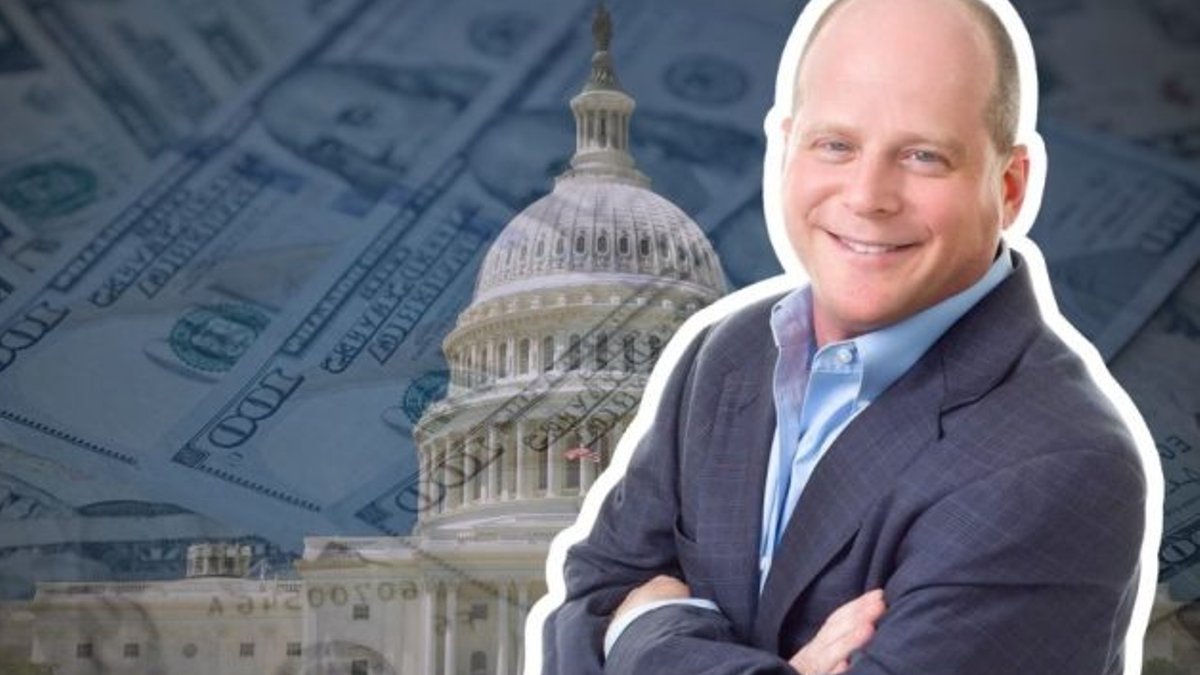
During a live segment on Fox News, small‑business specialist Gene Marks discussed how the latest numbers might shape decisions for entrepreneurs and employers.
Related: NFIB Supports Senate Bill to End BOI Reporting
AI’s impact on hiring priorities
Marks pointed out that small businesses contribute between 40 % and 50 % of the nation’s GDP and are projected to employ more than 1 million college graduates this year. He emphasized that the fastest‑growing opportunities for new graduates are appearing in “AI‑proof” roles such as field managers, service technicians, and other hands‑on operational positions that are less vulnerable to automation.
“AI is the single biggest issue that is going to be impacting decisions made by small business owners for the next few years,” he said.
According to the specialist, businesses focused on technology, administrative work, and office‑based tasks are likely to feel significant disruption as AI adoption accelerates. This shift may force many firms to reconsider hiring strategies, workforce planning, and operational structures.
He added that employers could start favoring workers with technical, customer‑facing, and field‑service skills, since AI increasingly handles repetitive administrative functions.
Related: Network seeks ASBN appearance slot
Marks’ assessment aligns with broader economic observations that small enterprises, which collectively drive a substantial share of employment, must adapt quickly to stay competitive. The emphasis on “AI‑proof” positions reinforces a long‑standing theme: roles requiring physical presence or subtle human interaction are harder to replace with software.
For owners, the practical implication is a need to balance technology investment with talent acquisition that supports on‑the‑ground operations. Hiring decisions may increasingly weigh candidates’ adaptability to new tools alongside traditional skill sets.
While the shift presents challenges, it also opens avenues for entrepreneurs to differentiate themselves by offering services that complement AI capabilities rather than compete with them. Companies that can integrate AI for back‑office efficiency while maintaining a skilled field workforce could capture a larger slice of the market.
Overall, the combination of presidential endorsement, steady job growth, and expert commentary suggests that AI’s influence on hiring will be a defining factor for small businesses throughout the coming years.


Leave a Reply