
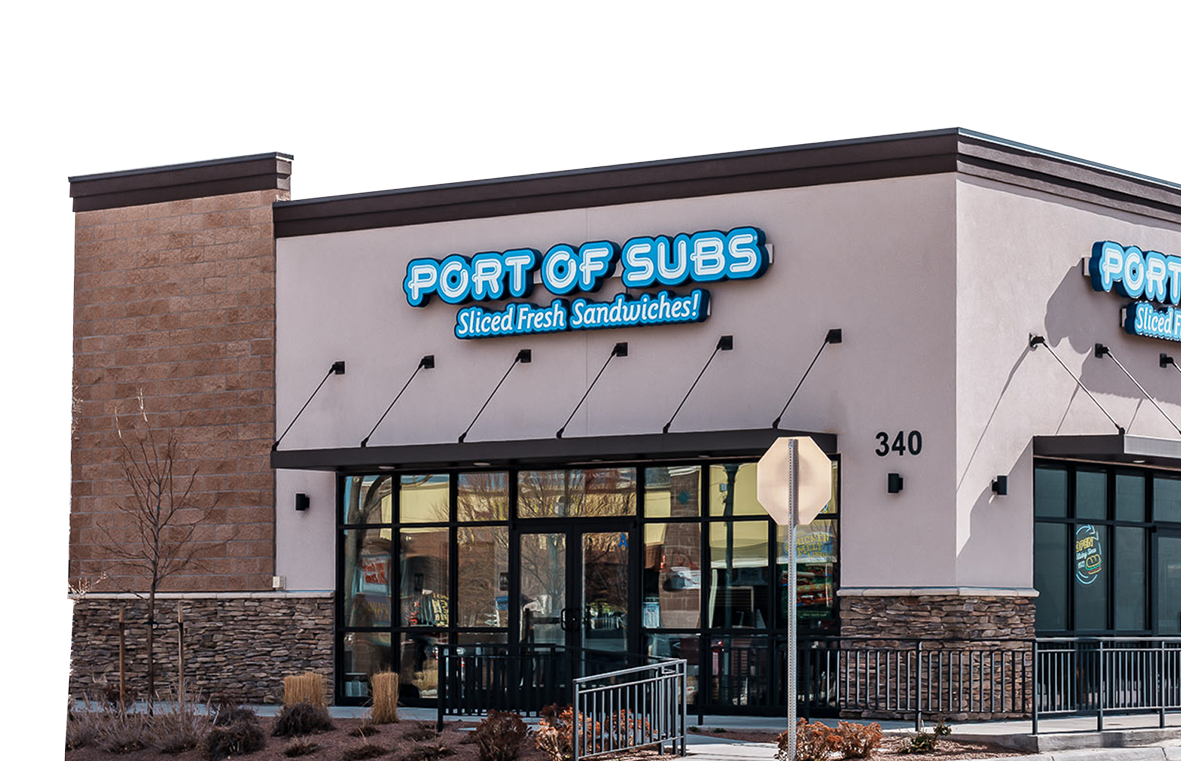
Entering the world of business ownership through a structured model involves a sequence of stages that begin well before any location is ever secured. Many entrepreneurs first encounter this path when they consider established concepts and wonder how the underlying model supports growth. Rather than viewing this as a single transaction, it is helpful to think of the process as a gradual progression from research and alignment to long-term operation.
Initial exploration and foundational research
The earliest stage of considering sub franchising and sandwich franchise opportunities is typically characterized by broad information gathering. A prospective owner often begins by identifying the operational style that fits their background. Some people prefer high-volume, quick-service environments where efficiency is the primary metric of success, while others may be drawn to concepts that emphasize catering or community-based engagement.
At this juncture, the goal is to understand the scope of the responsibility. Owning a business under a franchised model means agreeing to a set of operational guidelines that define how a service is delivered. Prospective owners should ask themselves how much they value established systems versus the desire for independent experimentation. A well-structured model provides a roadmap, but success still requires local leadership and effective management. Evaluating these opportunities early allows a person to determine if they are comfortable working within a framework that has been refined by others.
Evaluating the relationship with an established system
As a candidate moves deeper into the evaluation process, the focus shifts from the abstract concept of franchising to the specific reality of the partnership. This is the period where the interaction between the individual and the organization becomes central. A helpful way to view this is as an assessment of how the organization supports its partners through changing market conditions.
When exploring sandwich franchise opportunities, a candidate should look for transparency regarding how the system provides support. This includes considering how the organization handles initial training, ongoing operational guidance, and supply chain logistics. A robust model is typically built to simplify the complexities of managing a food-service operation, such as sourcing ingredients or maintaining equipment standards. By asking for clarity on these mechanisms, an owner gains insight into whether the organization is focused on collective success. The best conversations during this phase are those that cover the practical trade-offs involved in adhering to brand standards in exchange for the benefits of a proven operational model.
Identifying indicators of growth and necessary adjustments
Once a business is active, the focus transitions from preparation to management and observation. This stage is marked by the need for continuous adjustment based on real-world feedback. Business owners in this sector often find that the most significant developments happen in how they respond to the rhythms of their local customer base.
Signs that an operation is progressing well might include a growing base of repeat customers, consistent operational flow during peak hours, or an improvement in team efficiency. Conversely, if results feel stagnant, it is often a signal that the owner needs to revisit the foundational processes provided by the organization. This might involve refining how staff are trained, identifying ways to reduce waste, or improving the speed of service. Successful owners rarely wait for a crisis to make these changes; they typically stay attuned to daily performance metrics and reach out to the organization for guidance when performance trends shift. The willingness to refine small, tactical details is often what distinguishes a stable, high-performing business.
Sustaining results over the longer term
The final phase of the journey involves moving beyond the initial setup and establishing a rhythm that can be maintained over many years. Sustainability in this field is rarely about drastic, one-time changes; it is about the quiet, consistent application of quality standards and the maintenance of a positive workplace culture.
For those involved in sub franchising, long-term success is frequently tied to how well the owner integrates into the local community. While the brand provides the structure, the owner provides the local credibility. This means being present, understanding the unique preferences of local residents, and building a team that reflects the values of the business.
Sustaining results also involves planning for the natural lifecycle of a business. Equipment will eventually require updates, consumer preferences will evolve, and local market conditions will fluctuate. Owners who thrive over the long term are those who plan for these cycles proactively. They maintain a dialogue with the organization to stay ahead of industry shifts and treat their business not as a static asset, but as an evolving entity that requires ongoing attention. The perspective shifts from “how do I get started” to “how do I maintain excellence,” ensuring that the business continues to serve its purpose for both the owner and the customers in the region.


Leave a Reply