
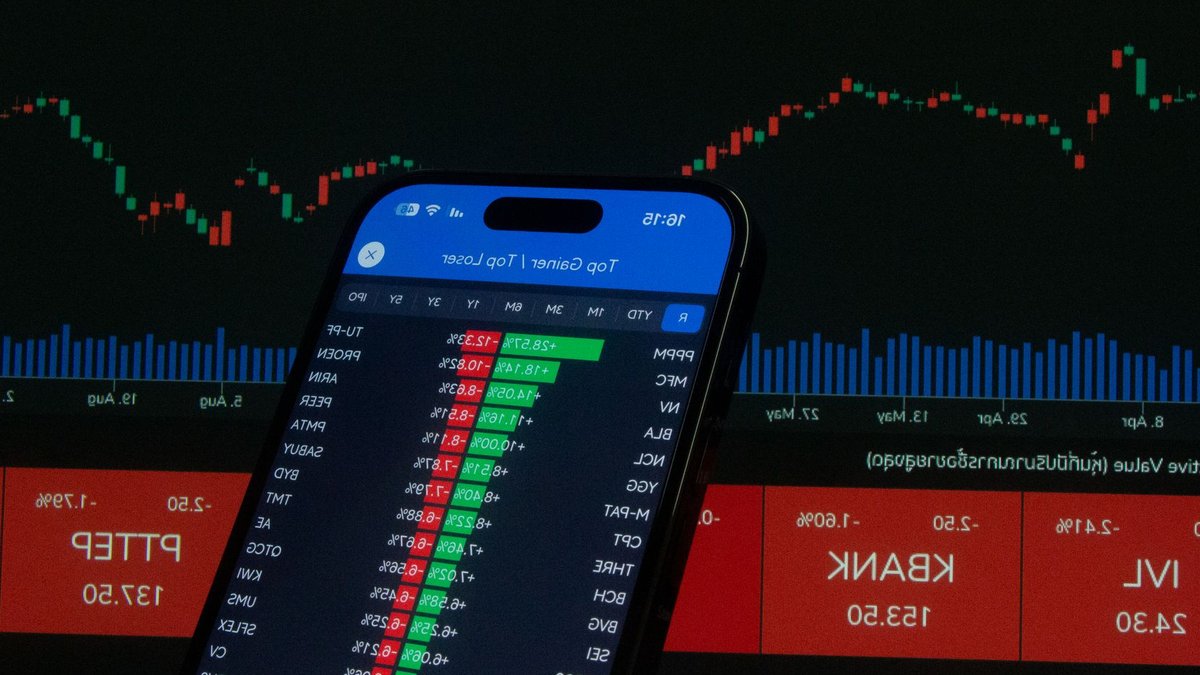
The Qatar Stock Exchange index slipped 0.9 percent this week, closing at 10,020.84 points after losing 91.41 points, as analysts linked the drop to regional geopolitical tensions and weaker‑than‑expected half‑year results from listed firms.
Sector performance drives the index lower
The industrial sector led the declines, falling 3.18 percent, while the real‑estate segment dropped 2.06 percent. Banking and financial services slipped 0.68 percent, and insurance added only a modest 0.19 percent loss. In contrast, the telecommunications sector posted a modest gain of 0.84 percent, and transport edged up 0.32 percent. Consumer goods and services barely moved, up 0.01 percent.
Trading activity remained robust despite the downturn. A total of 962,072,375 shares changed hands, representing more than QR2.57 billion in value across 109,125 transactions. The volume suggests that investors are still active, even as sentiment wavers.
Investors remain cautious.
Analyst outlook amid uncertainty
Financial analyst Yousef Buhlaiqa told the Qatar News Agency that the index’s slide reflected both geopolitical pressures and disappointing earnings reports. He said the half‑year financial results of many companies fell short of expectations, prompting a wave of selling.
Related: Meraas starts groundwork on Dubai Design District tower
Buhlaiqa expects the market to recover in the near term, noting that lower share prices could create buying opportunities ahead of third‑quarter earnings releases. He cautioned that some trading sessions might see slight volatility, but projected that the index would end the week with a modest gain.
While the forecast is cautiously optimistic, the broader context raises concerns about how external factors could continue to shape market behavior. The region’s political climate has historically influenced investor confidence, and the current environment appears no different.
Looking back at previous cycles, similar patterns emerged when geopolitical risk combined with weaker corporate results. Those periods often saw a brief dip followed by a rebound as investors reassessed valuations. This historical parallel suggests that the QSE may well stabilize once the immediate pressures ease.
Investors will likely keep a close eye on upcoming earnings reports, which could either reinforce the current pessimism or provide the catalyst needed for a turnaround. The balance between risk and opportunity remains delicate, and market participants appear ready to act on any shift.
In the short term, the index’s trajectory will depend on how quickly the geopolitical concerns subside and whether companies can deliver stronger numbers in the next reporting window. The coming weeks should clarify whether the modest gains anticipated by analysts will materialize or if further corrections are on the horizon.


Leave a Reply