
Hyundai Motor Group executives are doubling down on their commitment to the Chinese market, declaring that the company will overcome domestic competition by operating within China itself. Vice Chairman Jaehoon Chang made the statement after a tour of the Guangzhou Motor Show on November 27, signaling a strategic pivot to address the challenges posed by aggressive Chinese exports. The executive emphasized that the group must resolve these issues by improving cost competitiveness and enhancing product value through advanced technology, a strategy aimed at defending market share not only in China but also against encroaching competitors globally.
Gap in Cost Competitiveness
Chang outlined a specific challenge facing the automaker, noting a cost disparity of approximately 30 percent between Hyundai Motor Group and its Chinese rivals. He stated that the company must close this gap within three years to remain viable. The plan involves a thorough review of specifications and standards, with the executive acknowledging that fundamental changes are necessary to win against local manufacturers. To meet this timeline, Hyundai is inspecting every aspect of its operations to reduce expenses while maintaining strengths in brand value and sales networks. The executive further emphasized that the team is examining specifications and standards with the resolution that they cannot win unless they fundamentally alter their approach.
Read Also: U.S.-Based Chinese Firms Bypass AI Chip Export Restrictions
Aggressive Expansion Plans
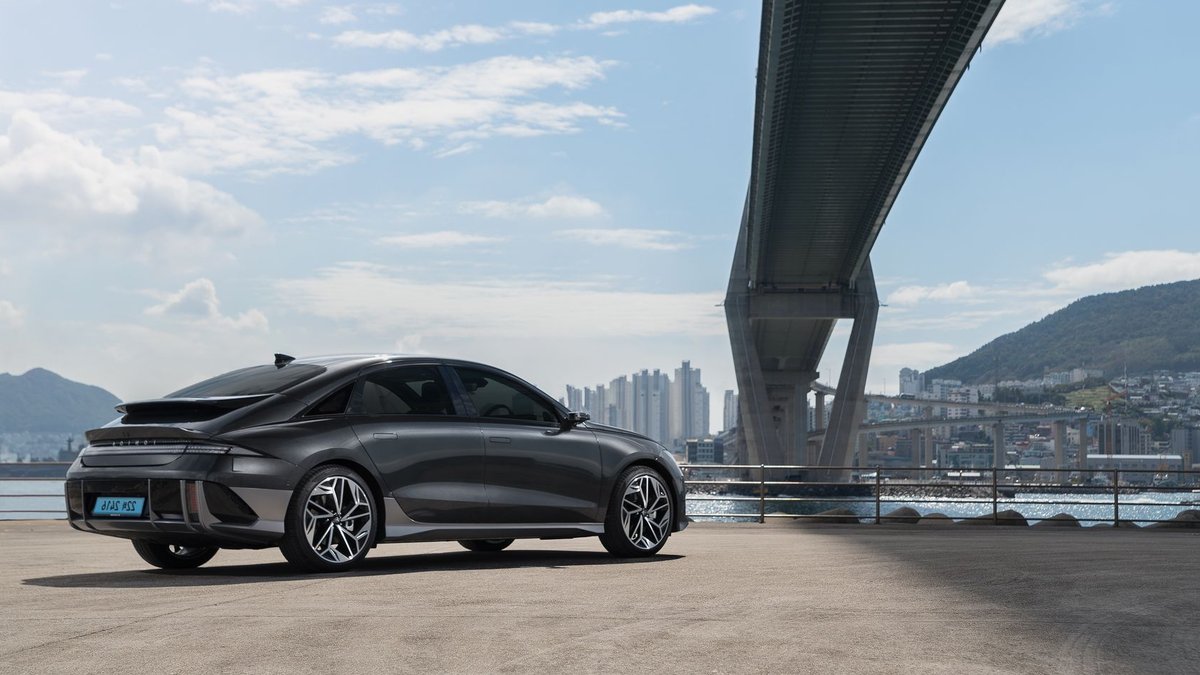
The automaker is accelerating its local product lineup to reclaim lost ground. A total of six ‘IONIQ’ models, including electric vehicles and extended-range electric vehicles (EREVs), will be launched in China within three years. Looking further ahead, the company has a long-term target of introducing 24 vehicle models to the market by 2030. These models will range from internal combustion engine successors to new electric powertrains. This expansion is part of a broader strategy to recapture market share in the Chinese market through a diverse range of powertrains.
Chang also addressed the hydrogen sector, noting that South Korea has enacted laws for the hydrogen economy and is building an ecosystem. Hyundai Group has been operating a production facility in Guangzhou since 2023 that can manufacture up to 6,500 hydrogen fuel cell systems annually. The executive expressed confidence in the group’s ability to succeed, stating that after touring the exhibition hall, he believed the company could achieve its goals. The Guangzhou Motor Show features about 1,100 cars exhibited in a venue covering approximately 240,000 square meters. This exhibition space is reported to be three to four times the size of the Seoul Mobility Show venue held at KINTEX.


Leave a Reply